How to Properly Mulch Your Garden in Summer
Mulching is a crucial aspect of garden maintenance, especially during the sweltering summer months. It helps retain soil moisture, suppress weeds, and maintain a balanced temperature for your plants. In this guide, we will explore the best practices for mulching your garden effectively.
Understanding the Benefits of Mulching
Before diving into the how-to, it's essential to understand the numerous benefits of mulching:
- Retains soil moisture, reducing the need for frequent watering.
- Suppresses weed growth, minimizing competition for nutrients.
- Regulates soil temperature, protecting plants from heat stress.
- Improves soil fertility as organic mulches decompose.
- Enhances the visual appeal of your garden.
Choosing the Right Mulch
Selecting the appropriate type of mulch is vital for maximizing its effectiveness. Here are some common types of mulch to consider:
- Organic Mulch: Includes materials like wood chips, straw, and grass clippings. They improve soil quality as they break down.
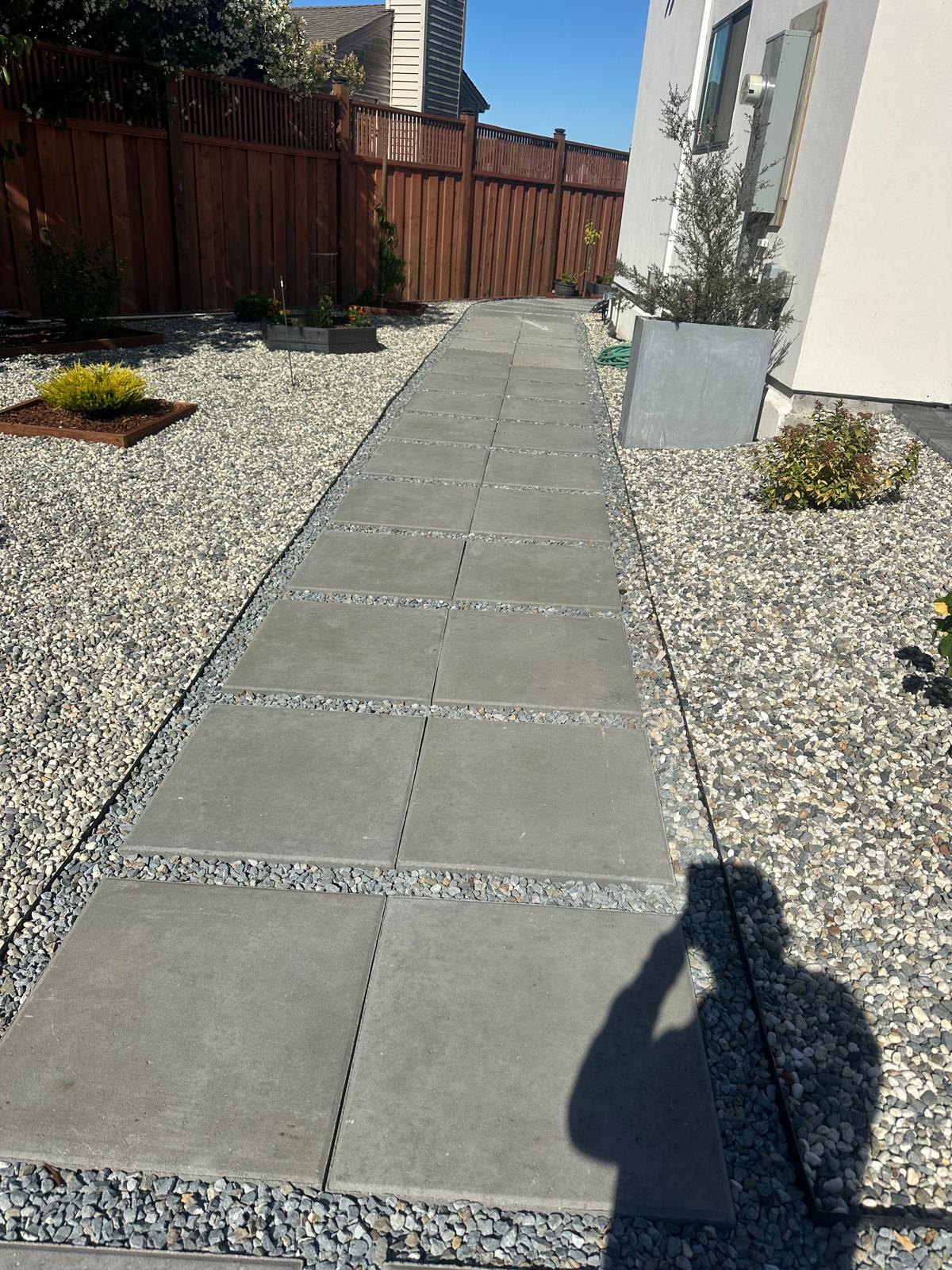
- Inorganic Mulch: Composed of materials like plastic, rubber, or gravel. They do not decompose and are excellent for moisture retention.
Factors to Consider When Choosing Mulch
- Plant Type: Some plants prefer organic mulch, while others may thrive with inorganic options.
- Aesthetic Preferences: Choose a mulch that complements the look of your garden.
- Longevity: Determine how long you want the mulch to last before needing replacement.
How to Apply Mulch Properly
Once you've chosen your mulch, follow these steps for proper application:
- 1. Prepare the Soil: Remove any weeds or debris from the area to ensure good contact between the mulch and soil.
- 2. Water the Soil: Moistening the soil before applying mulch helps it retain moisture better.
- 3. Apply the Mulch: Spread a 2-4 inch layer of mulch evenly around your plants. Avoid piling it against plant stems to prevent rot.
- 4. Monitor and Replenish: Check the mulch regularly and top it off as needed to maintain an effective layer.
Timing Your Mulching
The best time to add mulch is during the early summer when the soil is warm but before the peak heat. This timing helps establish a protective barrier against summer temperatures.
Mulching Tips for Summer Gardening
To ensure your summer gardening efforts are successful, consider these additional mulching tips:
- Choose light-colored mulches to reflect sun rays and keep soil cooler.
- Avoid using fresh wood chips as they can absorb nitrogen from the soil.
- Regularly check moisture levels under the mulch to adjust your watering schedule.
Common Mistakes to Avoid
While mulching can significantly enhance your garden, there are common mistakes to avoid:
- Over-mulching: Too much mulch can suffocate plants and promote rot.
- Improper Material: Using inappropriate materials can harm plants rather than help them.
- Ignoring Maintenance: Failing to refresh or replenish mulch can diminish its effectiveness over time.
Conclusion
Proper mulching is an essential practice for summer garden maintenance. By understanding its benefits, choosing the right type, and applying it correctly, you can ensure that your plants thrive even in the heat. Remember to monitor your mulch and make adjustments as needed to keep your garden healthy and beautiful.