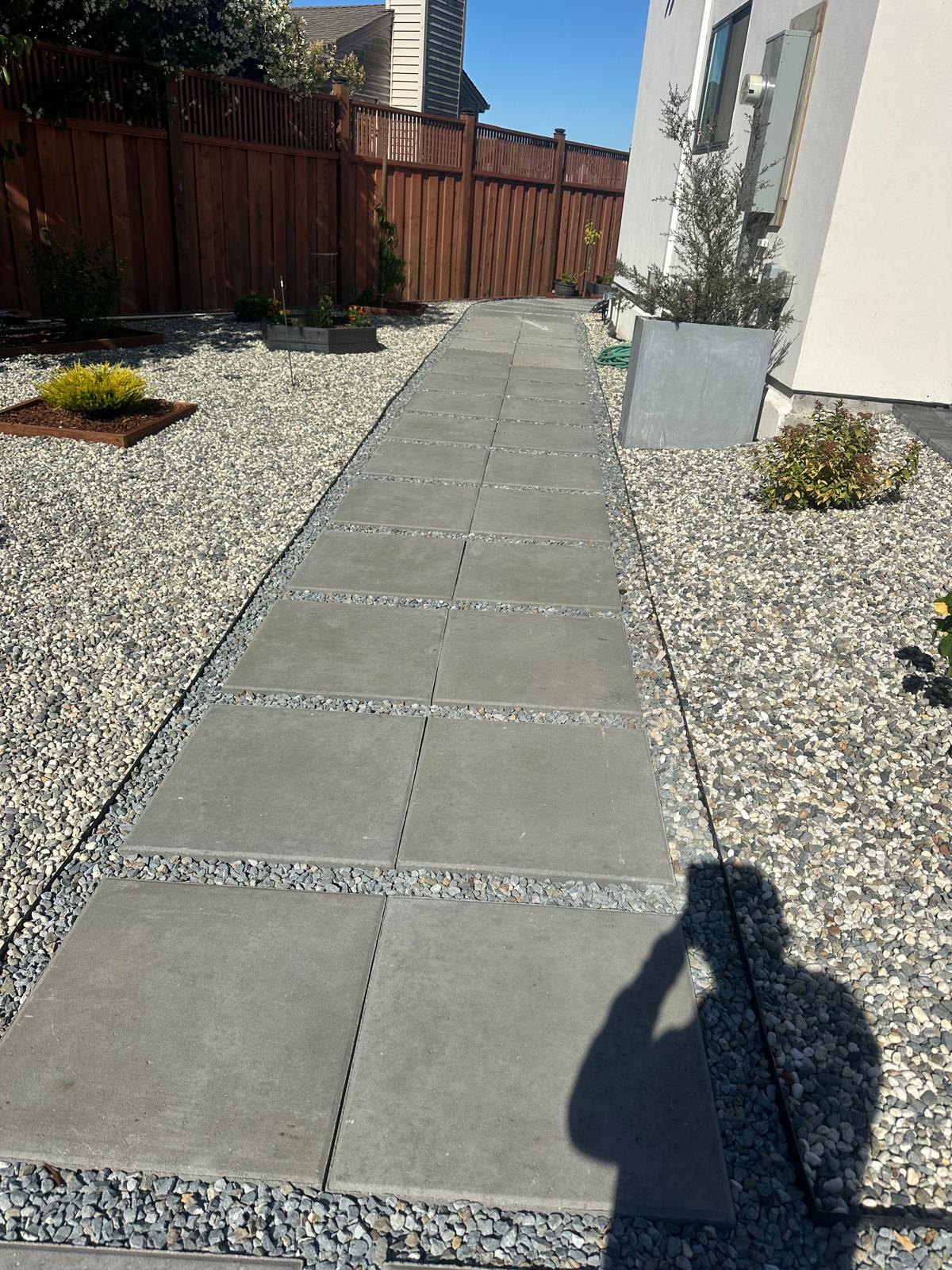
Creating a Vegetable Garden
A vegetable garden can be a rewarding venture, providing fresh produce and a sense of accomplishment. Whether you're a seasoned gardener or a beginner, creating a vegetable garden involves careful planning and execution. In this guide, we will explore essential tips and steps to help you establish a thriving vegetable garden.
Choosing the Right Location
The location of your vegetable garden plays a crucial role in its success. Here are key factors to consider:
- Sunlight: Ensure the area receives at least 6 to 8 hours of direct sunlight daily.
- Drainage: Avoid areas with poor drainage; raised beds can help improve drainage.
- Accessibility: Choose a location that is easy to reach for maintenance and harvesting.
- Proximity to Water: Make sure your garden is close to a water source for easy irrigation.
Planning Your Vegetable Garden
Effective planning is vital for a successful vegetable garden. Here are steps to guide you:
- Select Vegetables: Choose vegetables based on your climate, space, and preferences.
- Layout Design: Decide on the layout (rows, raised beds, or containers) that suits your space.
- Companion Planting: Research companion plants that can enhance growth and deter pests.
- Seasonal Timing: Plan your planting schedule based on the growing seasons in your region.
Soil Preparation
Healthy soil is the foundation of a productive vegetable garden. Here’s how to prepare your soil:
- Test Soil: Conduct a soil test to determine pH and nutrient levels.
- Amend Soil: Add organic matter, such as compost or well-rotted manure, to enrich the soil.
- Tilling: Loosen the soil using a tiller or garden fork to improve aeration.
- Leveling: Rake the soil to create a smooth, level surface for planting.
Planting Your Vegetables
Once your soil is prepared, it's time to plant your vegetables. Follow these tips for successful planting:
- Seed Depth: Plant seeds at the recommended depth specified on the seed packet.
- Spacing: Follow spacing guidelines to avoid overcrowding and ensure proper growth.
- Watering: Water gently after planting to avoid disturbing the seeds.
- Mulching: Apply mulch around seedlings to retain moisture and suppress weeds.
Maintenance and Care
Regular maintenance is essential for a thriving vegetable garden. Here are key maintenance tasks:
- Watering: Water deeply and consistently, especially during dry spells.
- Weeding: Regularly check for weeds and remove them to reduce competition.
- Fertilizing: Use organic fertilizers to provide essential nutrients throughout the growing season.
- Pest Control: Monitor for pests and diseases, and take action immediately if you spot any issues.
Harvesting Your Vegetables
Harvesting at the right time ensures the best flavor and nutrition. Here are some tips:
- Timing: Harvest vegetables when they are ripe but still firm.
- Technique: Use sharp scissors or garden shears to avoid damaging plants.
- Storage: Store harvested vegetables properly to maintain freshness.
Conclusion
Creating a vegetable garden requires effort and dedication, but the rewards are well worth it. From fresh produce to the joy of gardening, following these steps will help you cultivate a successful vegetable garden. Whether you have a small balcony or a spacious backyard, with the right planning and care, your vegetable garden can flourish.